Disclaimer: The information in this article is intended to provide educational guidance as there may be other treatment options available; it does not replace the need for professional medical advice and should not be relied upon as specific advice for individual cases.
Endoscopy sedation is medication given to help you feel relaxed and comfortable during a procedure such as a gastroscopy or colonoscopy. Because an endoscope is passed into the digestive tract, many people feel more at ease knowing that sedation can reduce discomfort and awareness during the examination.
If you have a procedure coming up, understanding how endoscopy sedation works, the options that may be available, and what to expect afterwards can help you feel more prepared. This article explains the general principles, though your own care will be planned by the medical team.
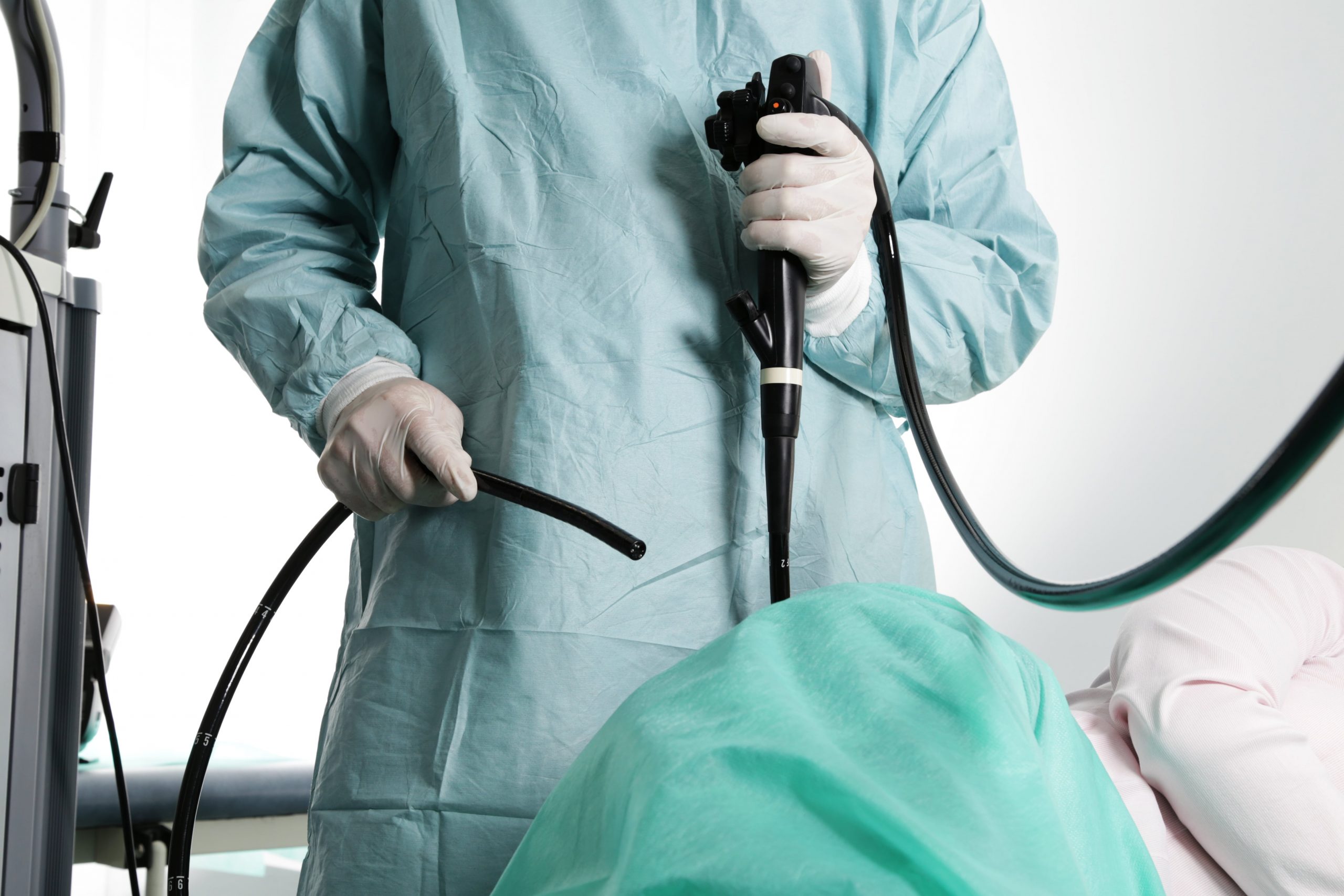
An endoscopy involves passing a thin, flexible tube with a camera into the digestive tract, either through the mouth for a gastroscopy or the back passage for a colonoscopy. While the procedure is generally well tolerated, it can cause sensations such as gagging, bloating or cramping. Sedation is used to reduce these sensations and help you stay calm and still, which can also help the doctor examine the area carefully.
Sedation is not always compulsory but highly recommended, and some people choose lighter options. The right approach depends on the type of procedure and personal preference. You can read more about what each examination involves on the gastroscopy and colonoscopy pages to understand where sedation fits in.
Sedation is often described in levels, and the medical team will decide what is appropriate for you:
The choice depends on factors such as the procedure length, your medical history and your preferences. A specialist can talk through which option suits you, particularly if you are unsure whether you need an endoscopy at all; the guide on when to see a gastroenterologist may help put your symptoms in context.
Preparation is an important part of a smooth procedure. You will usually be asked to fast for a set number of hours beforehand so the stomach is empty, which is relevant both for the examination and for sedation. You should also tell the team about your medications, allergies and any medical conditions, as some may affect the plan.
Because sedation may affect your alertness afterwards, arrangements for getting home safely are made in advance. Detailed instructions are provided ahead of time; the clinic’s guidance on preparing for your gastroscopy covers fasting and other steps, and there is similar guidance for preparing for a colonoscopy. Following these instructions closely helps the procedure go as planned.
Sedation is often described in levels, and the medical team will decide what is appropriate for you:
The choice depends on factors such as the procedure length, your medical history and your preferences. A specialist can talk through which option suits you, particularly if you are unsure whether you need an endoscopy at all; the guide on when to see a gastroenterologist may help put your symptoms in context.
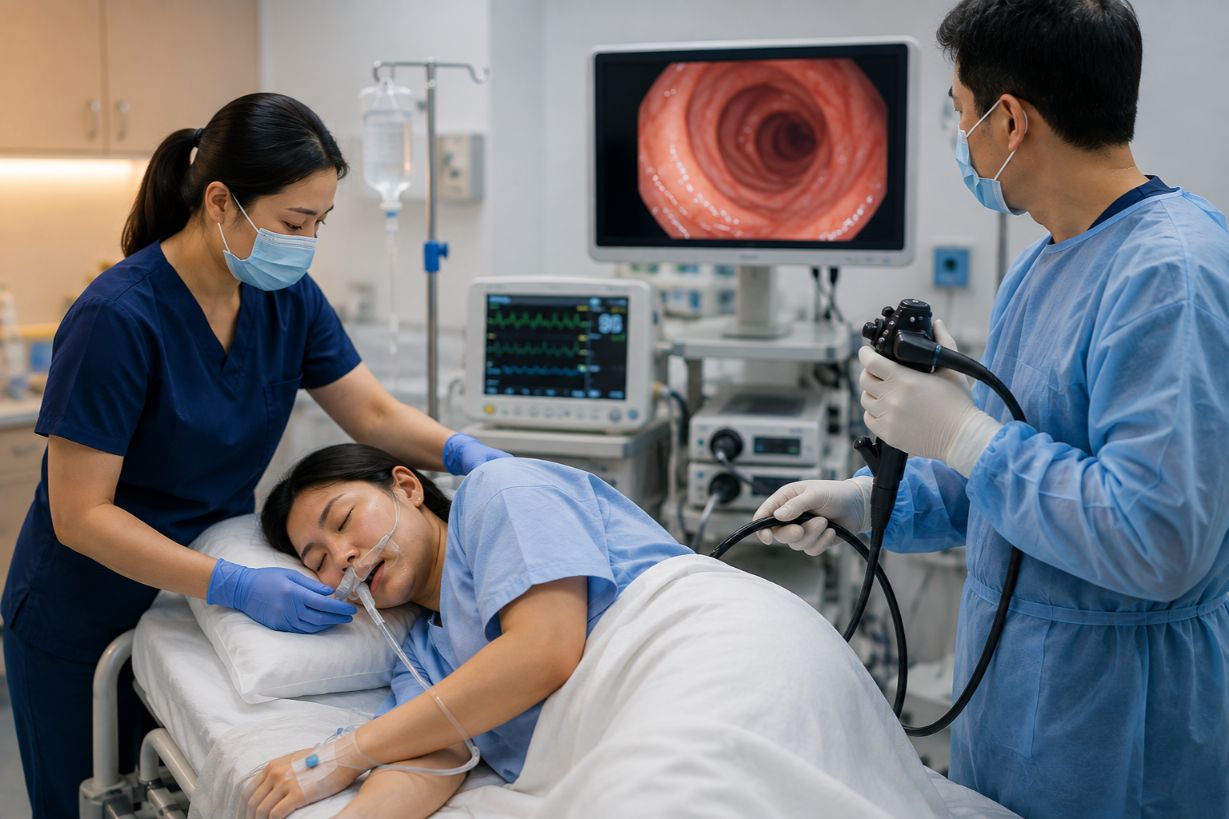
During the procedure, the sedation is usually given through a small cannula in a vein, and your vital signs are monitored throughout. Many people who have moderate sedation remember little of the examination itself. The medical team stays with you and adjusts care as needed.
Afterwards, you will spend time in a recovery area until the immediate effects wear off. It is common to feel drowsy, and sedation may temporarily affect memory, judgement and coordination for rest of the day. For this reason, it is generally advised not to drive, operate machinery, sign important documents or return to work until the following day, and to have a responsible adult accompany you home. Any specific after-care advice from your own team should take priority.
This article is for general information only and is not a substitute for medical advice. Please consult a qualified doctor or relevant specialist in Singapore for advice specific to your situation.
A gastroscopy is a low-risk, simple and very safe procedure to perform, with most people only reporting very slight discomfort at the back of their throat for a short period of time. Complications can occur, but are very rare.
Results should be out in about 2 weeks from the date which the scope was done.
3 Mount Elizabeth, Mount Elizabeth Medical Centre, #16-02, Singapore 228510

Here at PS Tan Digestive & Liver Centre, we are dedicated to providing quality healthcare and endoscopic services to all our patients. We’re on a quest to lower colorectal cancer rates and to effectively treat a wide range of digestive diseases.