Disclaimer: The information in this article is intended to provide educational guidance as there may be other treatment options available; it does not replace the need for professional medical advice and should not be relied upon as specific advice for individual cases.
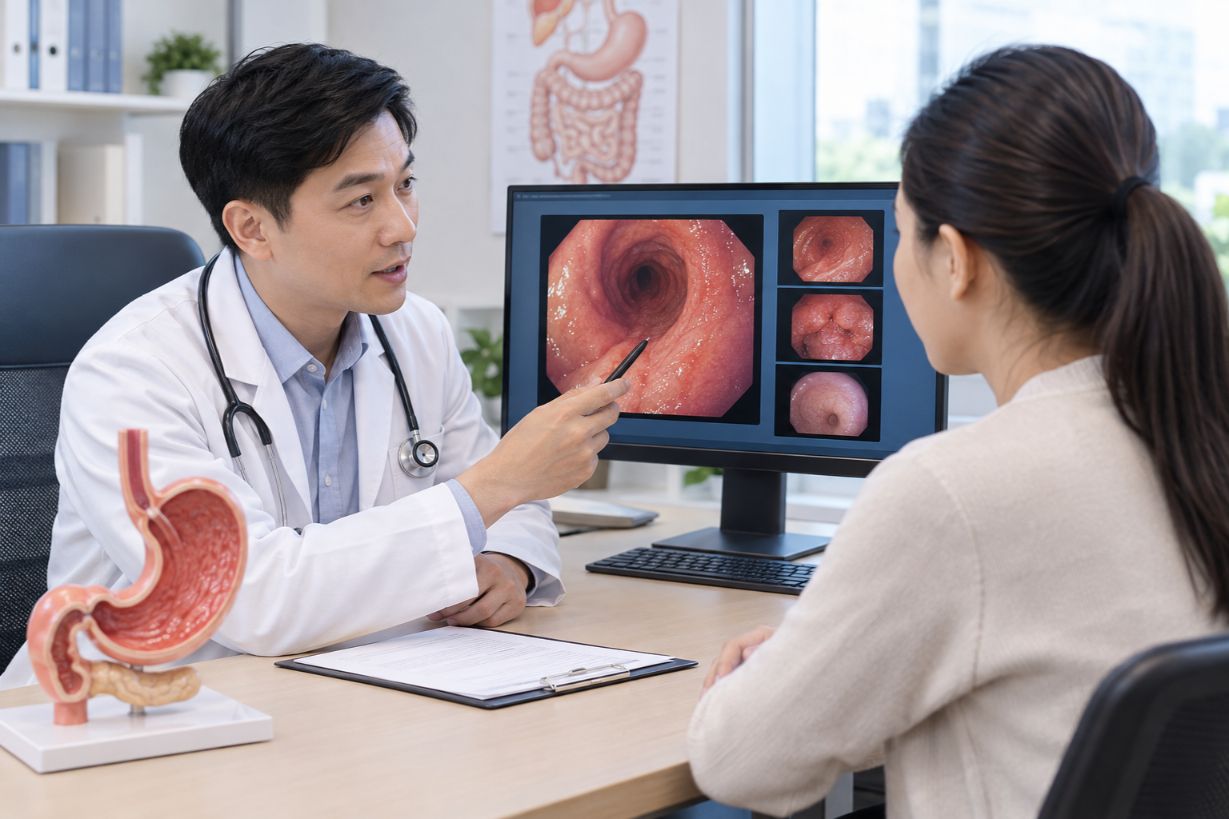
Having your gastroscopy results explained clearly can make a stressful experience much easier to understand. A gastroscopy lets a doctor look directly at the lining of your oesophagus, stomach and the first part of the small intestine, so the report often describes what was seen and whether any samples were taken.
This article sets out, in general terms, what common gastroscopy findings can mean. It is not a way to self-diagnose. Your own report should always be interpreted by the gastroenterologist who performed the procedure, in the context of your symptoms and history.
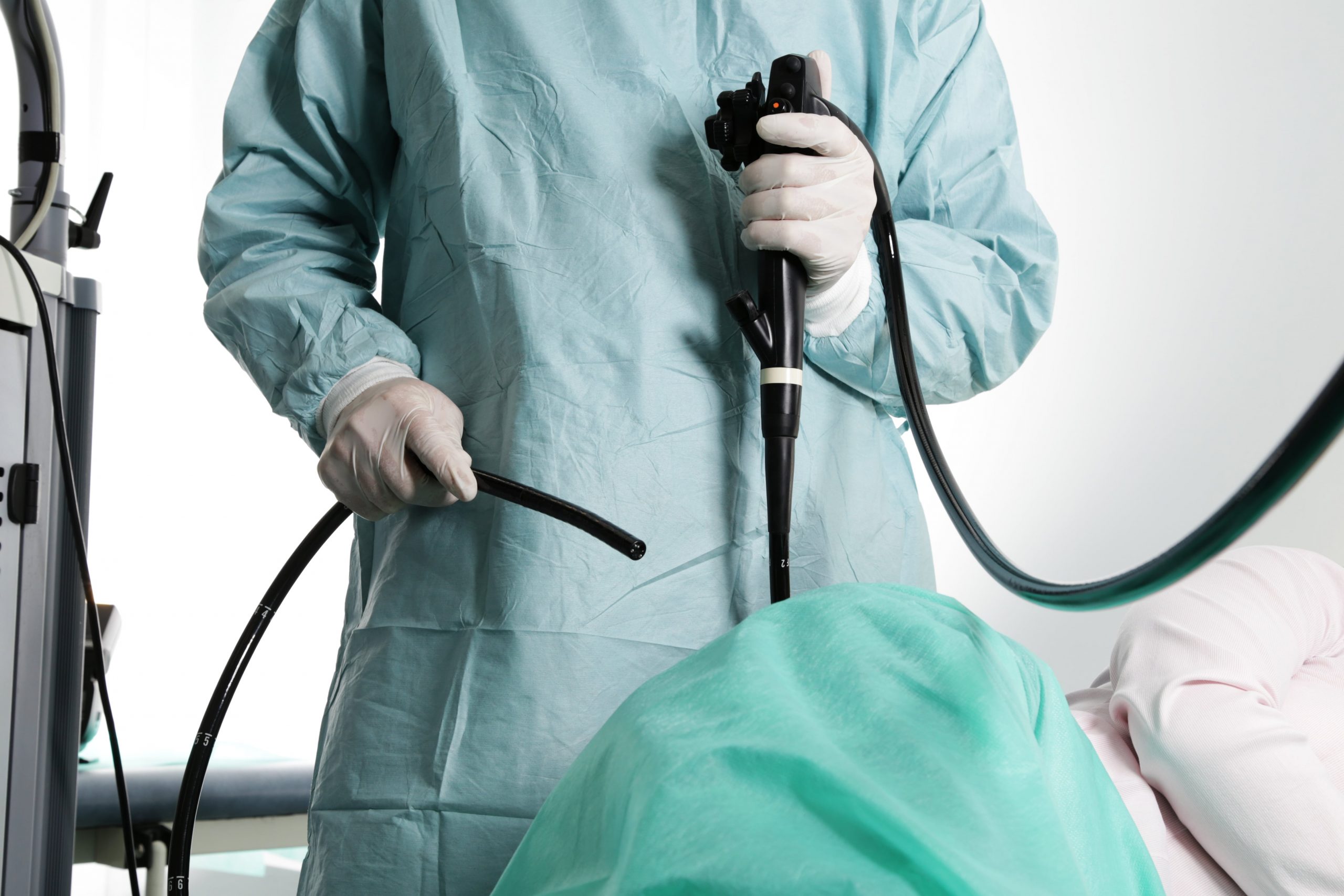
A gastroscopy, also called an OGD (oesophagogastroduodenoscopy), examines three main areas: the oesophagus, the stomach and the duodenum. The report typically notes the appearance of each, whether anything unusual was seen, and whether biopsies were taken for laboratory analysis. Some findings are visible immediately during the procedure, while biopsy results are reviewed later.
Because a gastroscopy is often done to investigate symptoms such as persistent indigestion, difficulty swallowing or upper abdominal pain, the report is read alongside the reason you had the test. If you would like a refresher on what the procedure itself involves, the overview of the gastroscopy procedure explains how it is carried out.
Below are some findings that may appear on a gastroscopy report. These are general descriptions only.
Some reports also mention polyps or areas that require further sampling. Where tissue is taken, the appearance seen during the procedure is only part of the picture until the laboratory results return.
A normal gastroscopy means the doctor did not see an obvious abnormality in the areas examined. This can be reassuring, but it does not always fully explain ongoing symptoms. Some conditions, such as certain functional digestive disorders, do not produce visible changes and are diagnosed in other ways.
If your result is normal but symptoms continue, your gastroenterologist may suggest further tests, a trial of treatment, or a review of your diet and lifestyle. It can help to know when you need to see a gastroenterologist again, so that persistent or new symptoms are not left unaddressed.
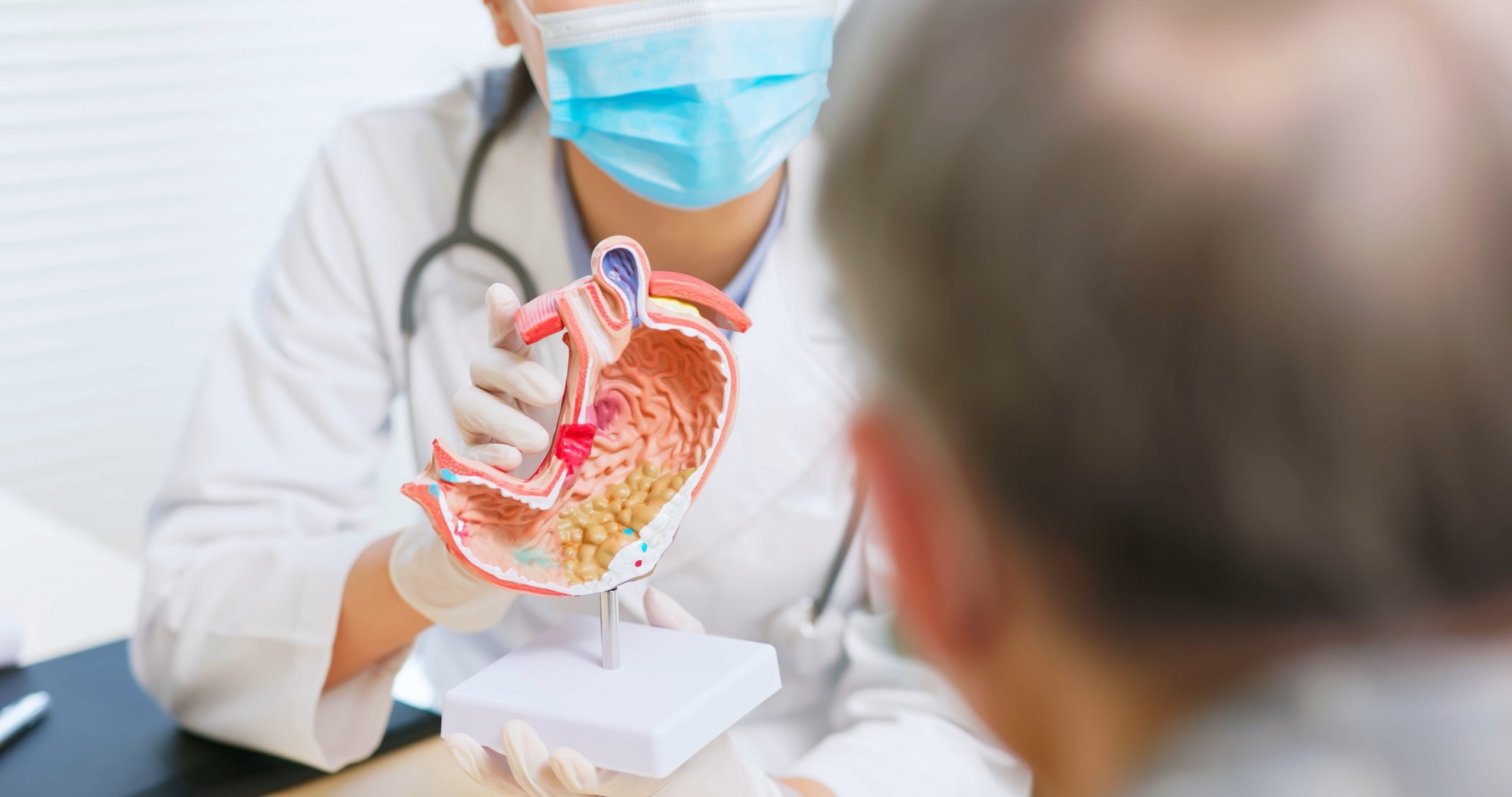
When biopsies are taken, small tissue samples are sent to a laboratory. This is a routine part of many gastroscopies and does not by itself indicate a serious problem. Biopsy results usually take several days and are discussed at a follow-up appointment, where your doctor can put the visible findings and the laboratory results together.
At this follow-up, it is useful to ask what each finding means for you, whether any treatment is recommended, and if repeat surveillance is needed in future. Bringing a written list of questions, and any current medications, can make the discussion more productive. Keeping your report for future reference is also sensible, as it provides a baseline if you have another procedure later.
If you are considering a procedure or a review, it can help to understand the practical side in advance. The clinic’s endoscopic services overview and the insurance and fees information outline what is involved so you can plan accordingly. The most important step, however, is to have your own results explained directly by the doctor who performed the test.
This article is for general information only and is not a substitute for medical advice. Please consult a qualified doctor or relevant specialist in Singapore for advice specific to your situation.
A gastroscopy is a low-risk, simple and very safe procedure to perform, with most people only reporting very slight discomfort at the back of their throat for a short period of time. Complications can occur, but are very rare.
Results should be out in about 2 weeks from the date which the scope was done.
3 Mount Elizabeth, Mount Elizabeth Medical Centre, #16-02, Singapore 228510

Here at PS Tan Digestive & Liver Centre, we are dedicated to providing quality healthcare and endoscopic services to all our patients. We’re on a quest to lower colorectal cancer rates and to effectively treat a wide range of digestive diseases.