our endoscopic services / Gastroscopy
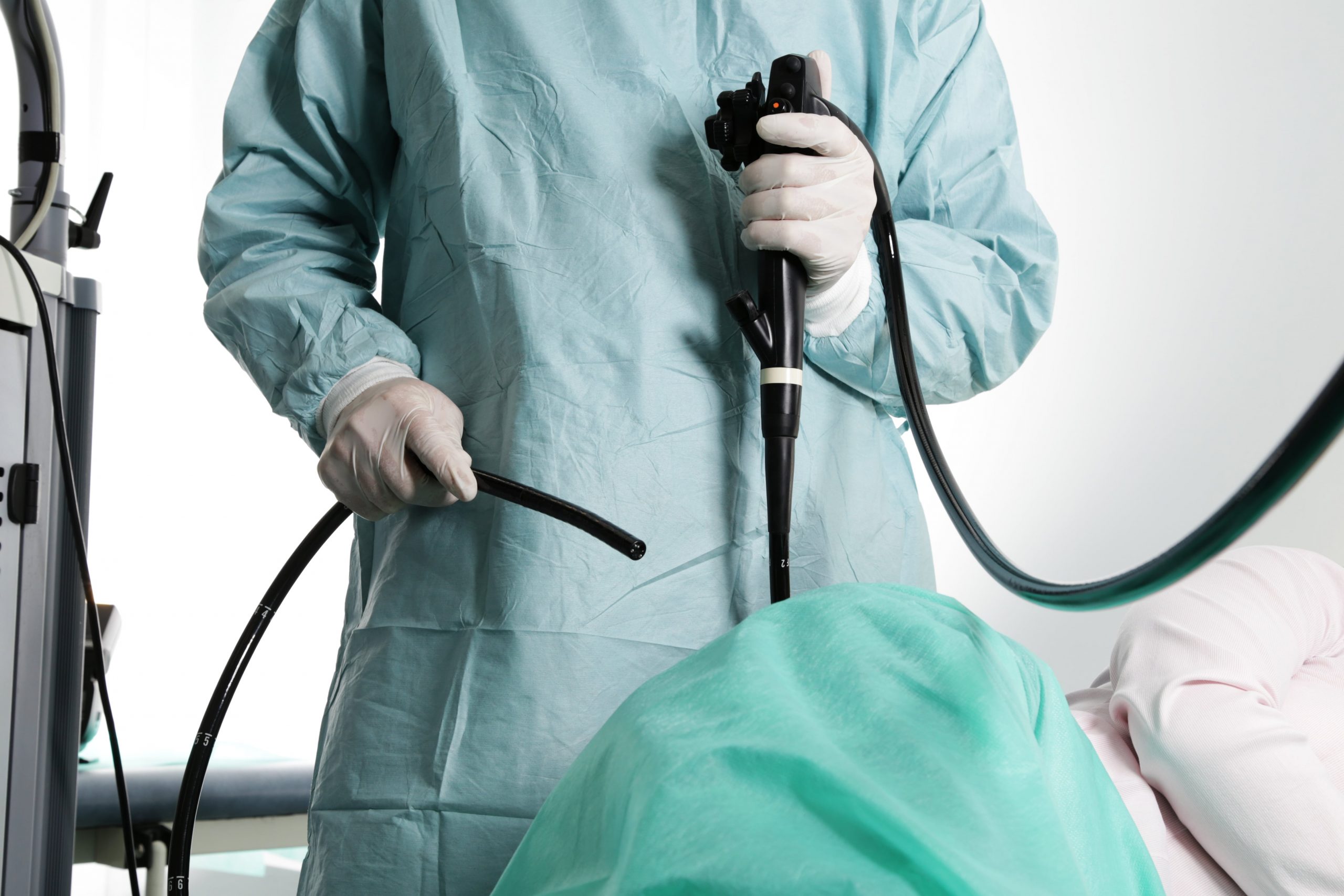
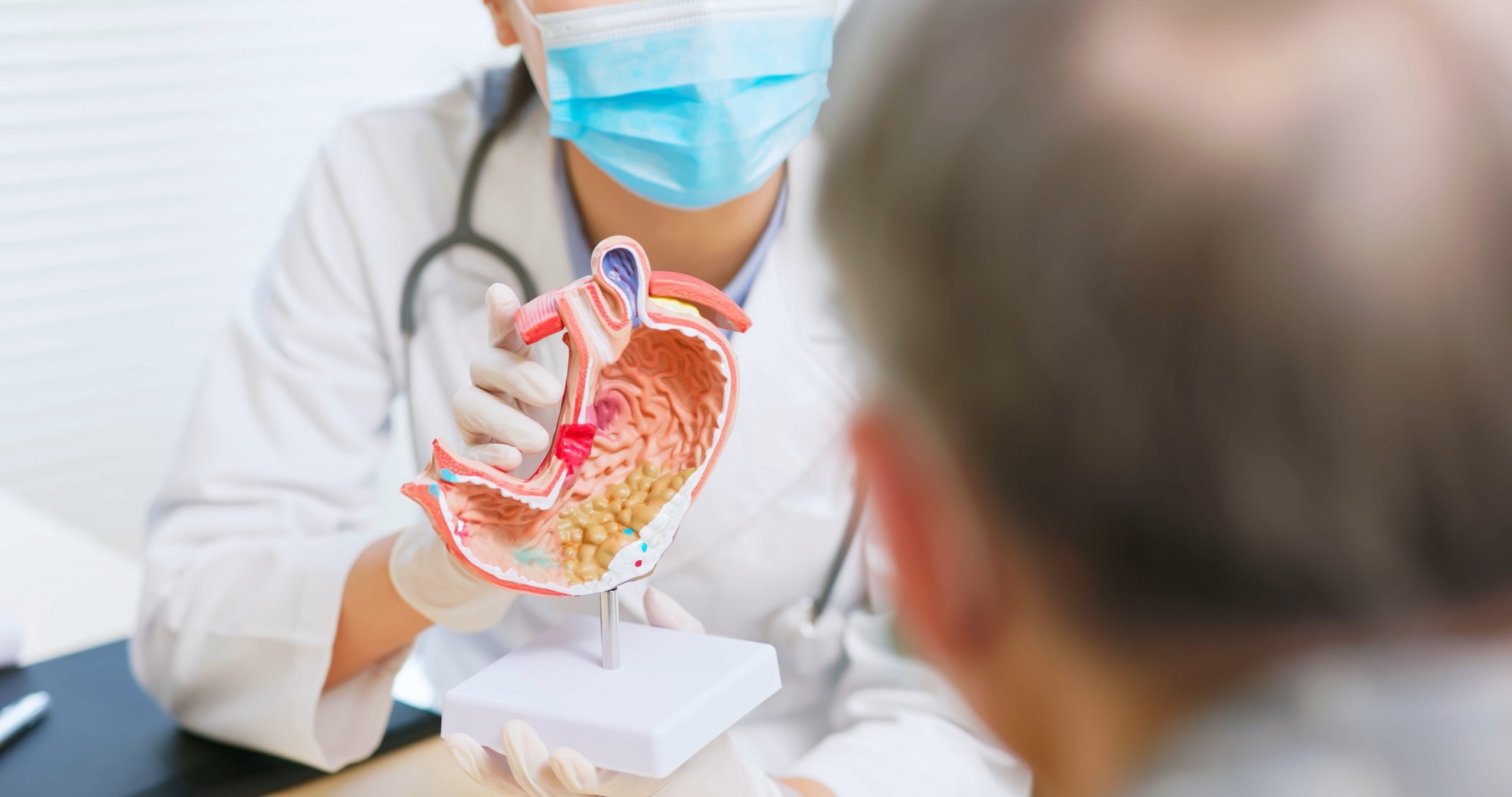
Gastroscopy – also known as upper GI endoscopy – is a procedure to examine the esophagus, stomach, and the start of the small intestine (duodenum) with the use of an instrument called the gastroscope.
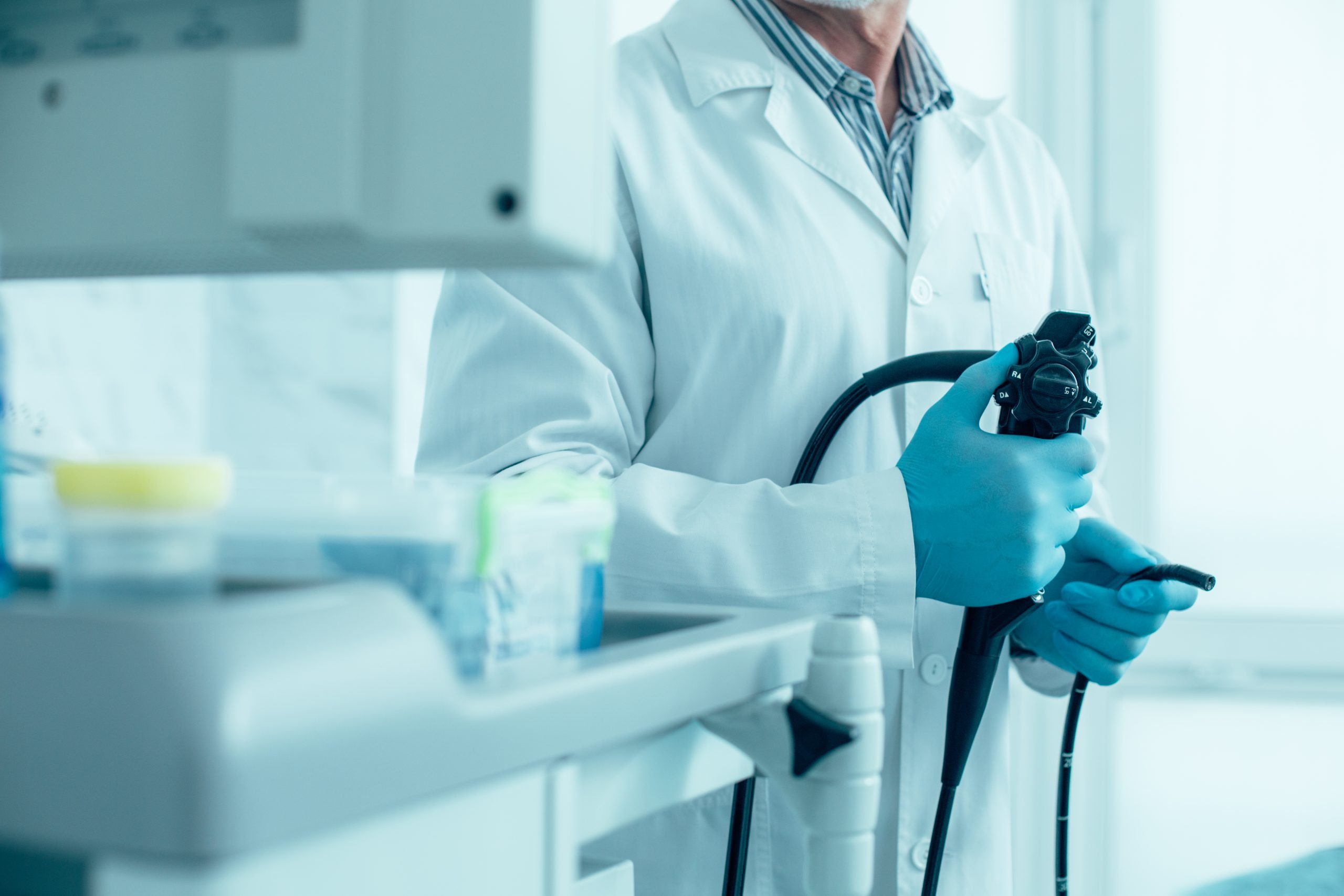
The gastroscope is a flexible tube that is long and thin, and it lights up the lining of your upper digestive tract and has a sensor on the end to capture video images which are relayed back to a monitor screen.
The examination is done by a gastroenterologist with years of training. During the scope, your endoscopist may take some biopsies (tissue samples) from the lining of your upper digestive tract for further analysis.
Gastroscopy – also known as upper GI endoscopy – is a procedure to examine the esophagus, stomach, and the start of the small intestine (duodenum) with the use of an instrument called the gastroscope. The gastroscope is a flexible tube that is long and thin, and it lights up the lining of your upper digestive tract and has a sensor on the end to capture video images which are relayed back to a monitor screen.
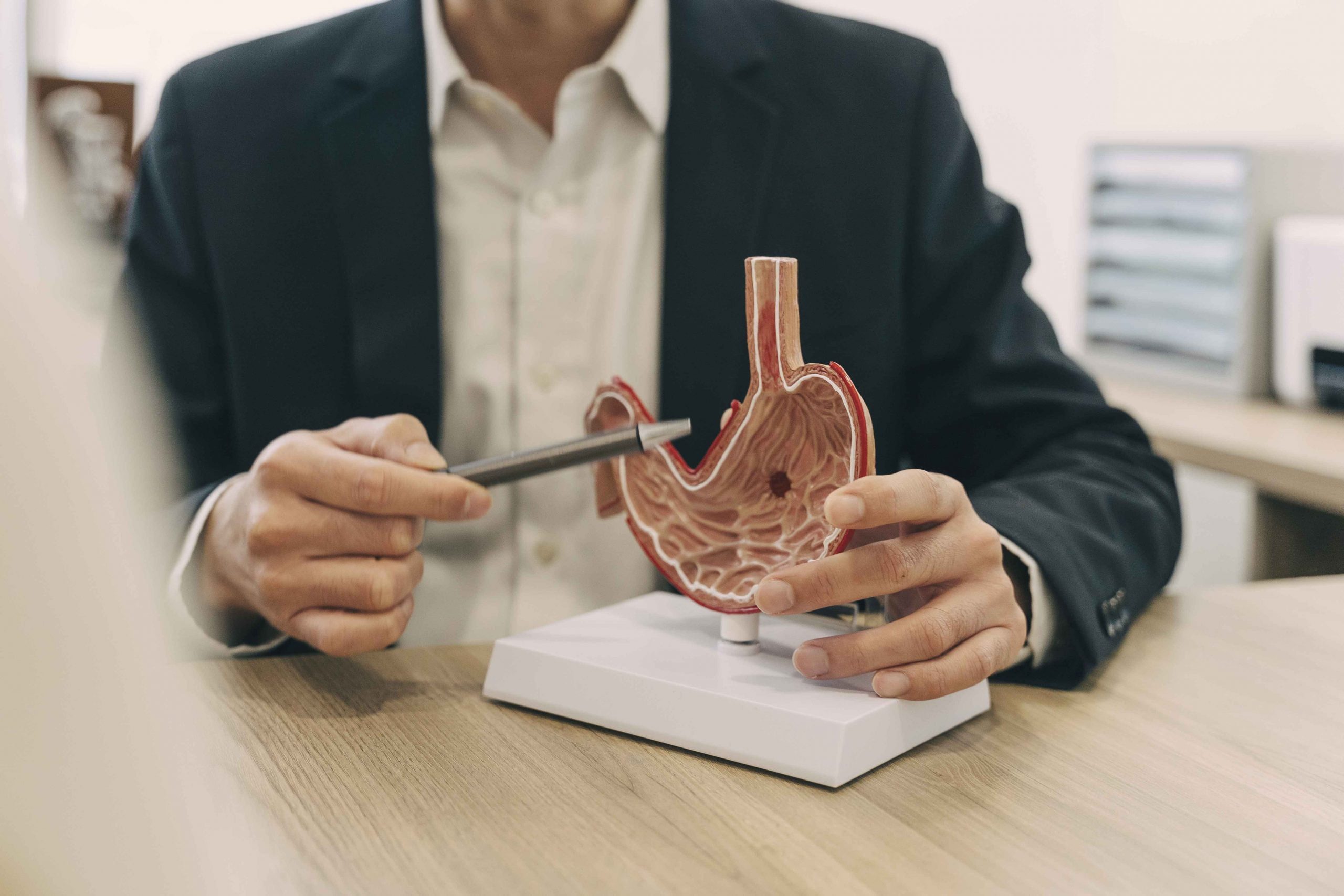
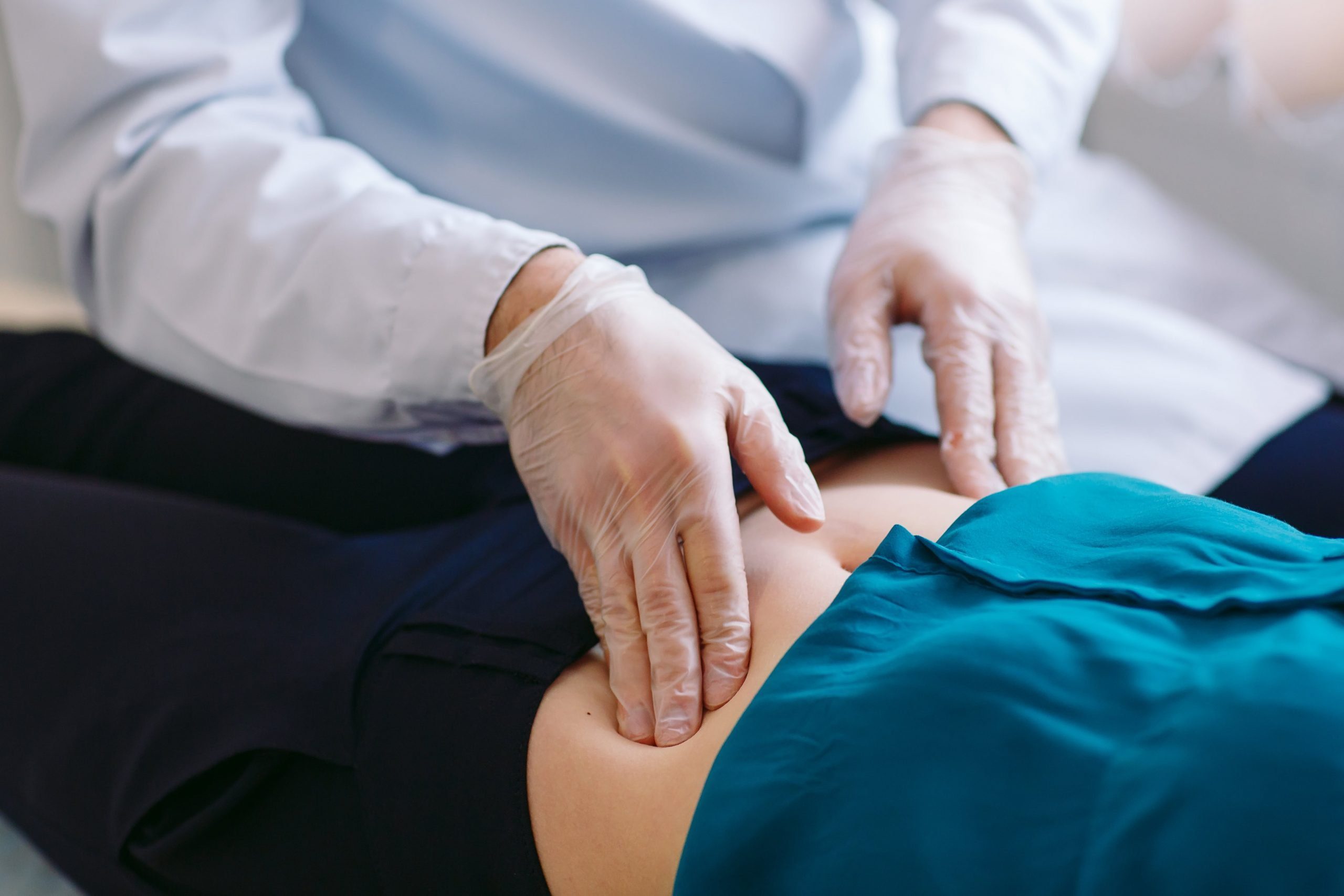

Often, there are also many reasons for investigating, some of which includes vomiting blood, difficulty swallowing, indigestion, and more.
Certain conditions such as GERD and Helicobacter Pylori infections can lead to chronic inflammation along the walls of the oesophagus and stomach lining, which may lead to the development of cancer.
It is essential to schedule your gastroscopy when advised by your Gastroenterologist, as early cancer may have no other symptoms or even minimal discomfort. Early detection of ulcers and cancer will increase the chances of a full recovery.
It’s also advisable to do routine screening and a gastroscopy if you are above 40 years of age with a family history of cancer or stomach ailments.





For corporate shield plans, kindly contact us and we will be able to advise accordingly.

For more information, contact us and our clinic staff will assist you with the available financing options.
A gastroscopy is typically an outpatient procedure, which means you’ll be able to go home the same day.
You’ll receive anaesthesia (moderate or deep sedation) before the procedure to prepare you for the investigation. You will be sleeping during the procedure and will feel no pain.
Your endoscopist will carefully pass the endoscope down your oesophagus and into your stomach and duodenum. A small camera is mounted to the endoscope which will send a video image to a monitor screen. This allows close examination of the lining of your gastrointestinal tract.
The doctor may take small samples of tissue, cells or fluid for testing for signs of possible infection or cancer. Invasive procedures such as stretching narrowed areas, removing swallowed objects or treating bleeding from the upper digestive system can also be performed as part of OGD.
To help your doctor see your digestive tract clearly, you should go into the procedure with an empty stomach. Do not have anything to eat for at least six hours before the procedure, small sips of water can be taken until two hours before your appointment time.
Proper preparation ensures that your gastro specialist can get a clear and accurate view of your upper digestive tract.
Here’s how to get ready:
You will need to avoid all food and drink for at least 6 to 8 hours before the procedure. This ensures your upper digestive tract is clear for examination.
Inform your doctor of any medications you're currently taking. You may need to pause certain drugs, such as blood thinners, diabetes medication, or iron supplements.
Your gastro specialist will give you detailed prep instructions. Follow them closely, including what to avoid and when to stop eating or drinking.
If you’re unsure about any part of the preparation, contact your clinic ahead of time to clarify and ensure your procedure goes smoothly.
Personalised and tailored e treatment plans helmed by Dr Tan Poh Seng with wealth of gastroenterology experience and expertise.
Endoscopic procedures such as gastroscopy and colonoscopy are personally performed by Dr Tan who has carried out thousands of these endoscopies.
Our clinic is conveniently located at Mount Elizabeth Orchard Hospital.
A gastroscopy is a low-risk, simple and very safe procedure to perform, with most people only reporting very slight discomfort at the back of their throat for a short period of time. Complications can occur, but are very rare.
Results should be out in about 2 weeks from the date which the scope was done.
3 Mount Elizabeth, Mount Elizabeth Medical Centre, #16-02, Singapore 228510
3 Mount Elizabeth, Mount Elizabeth Medical Centre, #16-02, Singapore 228510

Here at PS Tan Digestive & Liver Centre, we are dedicated to providing quality healthcare and endoscopic services to all our patients. We’re on a quest to lower colorectal cancer rates and to effectively treat a wide range of digestive diseases.